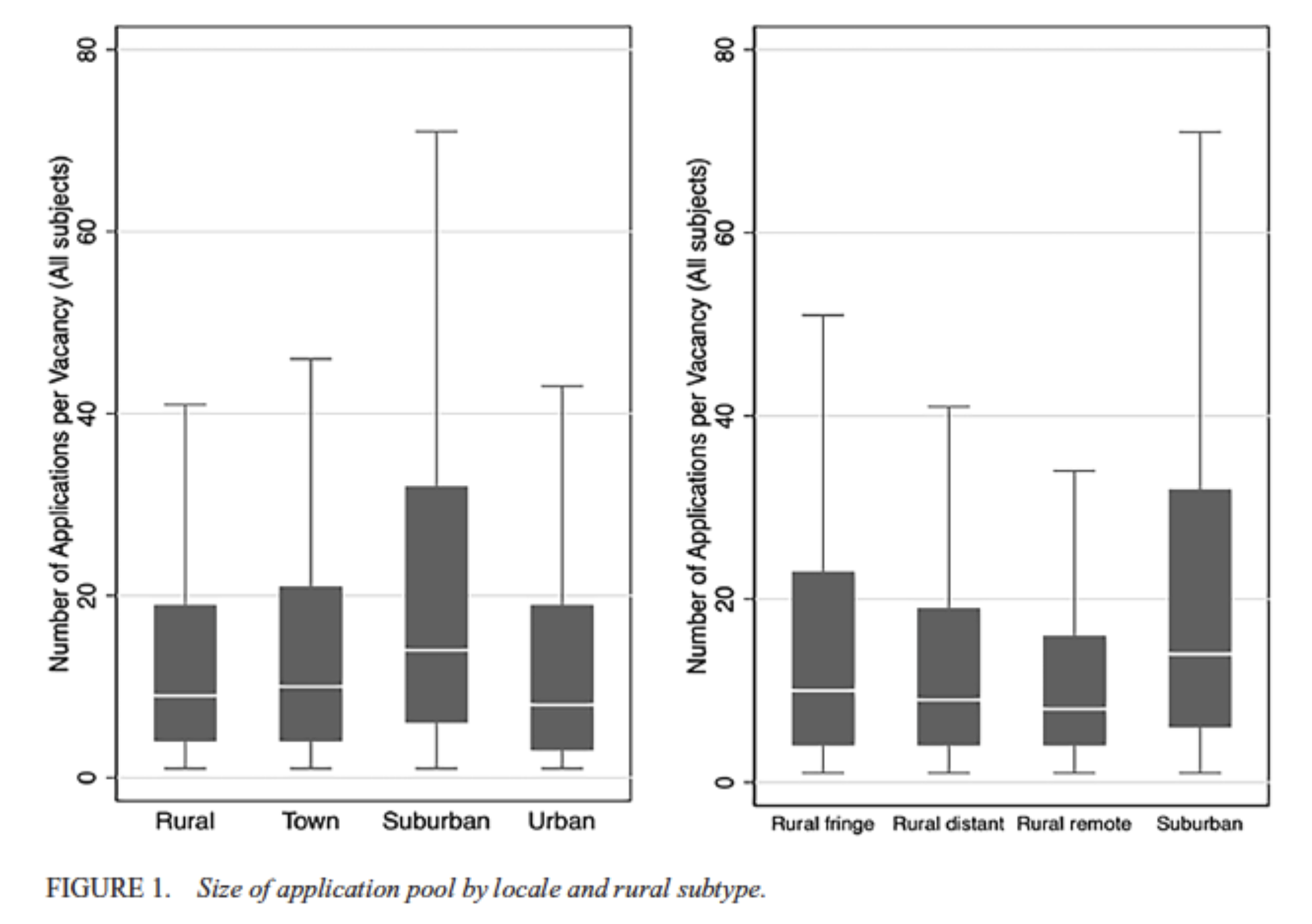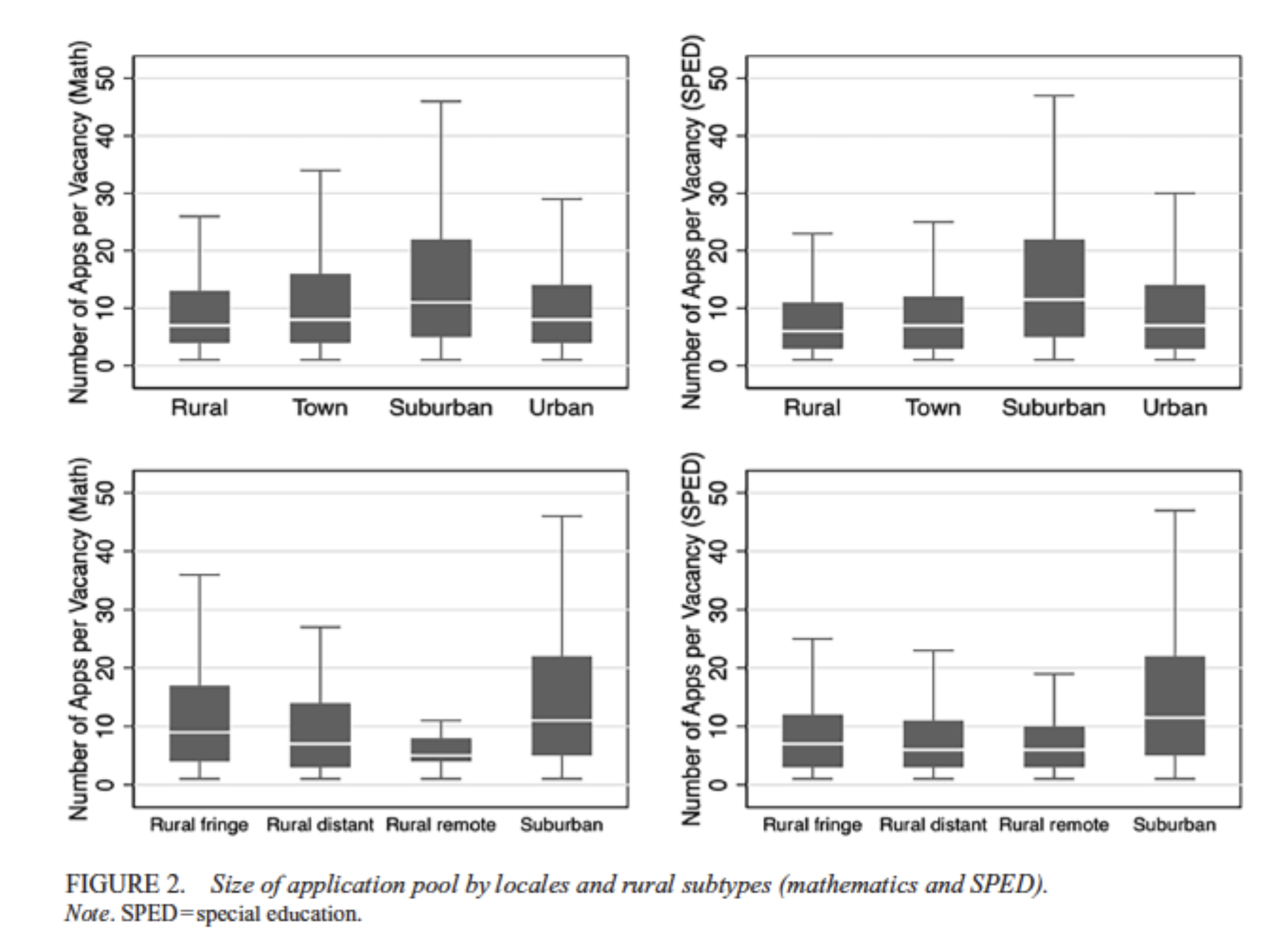
Navigating the Ripple Effects of Education Reform and Geography in Wisconsin’s Public SchoolsBy Minseok Yang, PhD, Assistant Professor, Department of Educational Leadership and Policy Analysis, University of Missouri Over the past several decades, Wisconsin has been at the forefront of significant educational policy shifts, including major reforms to teachers’ union power and changes to educator certification requirements. School leaders manage these transitions daily while working to maintain high standards for student achievement and teacher retention. My recent research takes a comprehensive look at two critical areas: the long-term impact of Act 10 on student performance and the unique labor market challenges facing our rural schools. The Impact of Act 10 on Student Achievement As these types of reforms expand, it is vital for leaders to implement proactive personnel strategies and financial incentives to offset salary reductions and ensure a stable, high-quality workforce. Without additional state-level support, the increased autonomy granted by these reforms may inadvertently disadvantage students in under-resourced areas. Ultimately, by prioritizing and effectively allocating funds toward key instructional inputs, such as smaller class sizes, updated textbooks, and robust professional development, school leaders can leverage the proven link between school spending and improved learning to overcome these policy-driven challenges. Addressing the Unique Staffing challenges in Rural Wisconsin
Our research highlights that the median distance an applicant is willing to travel for a rural job is 39 miles, nearly three times farther than the 14-mile radius seen in suburban settings. However, there is a clear strategic advantage for rural leaders: candidates with prior rural teaching experience or those who graduated from rural-based teacher preparation programs are significantly more likely to apply to and be hired by rural schools. These insights suggest a necessary move toward localized recruitment strategies. “Grow-Your-Own” initiatives, which focus on developing and hiring educators from within the community, are likely the most effective strategy for geographically isolated districts. Additionally, because rural schools often rely on novice teachers who face higher turnover rates, focusing on comprehensive induction and mentorship programs is vital for long-term stability. By strengthening the pipeline between local high schools, regional programs, and classrooms, we can build a resilient workforce that is truly connected to the communities they serve. Explore the Full Research
Author Bio |