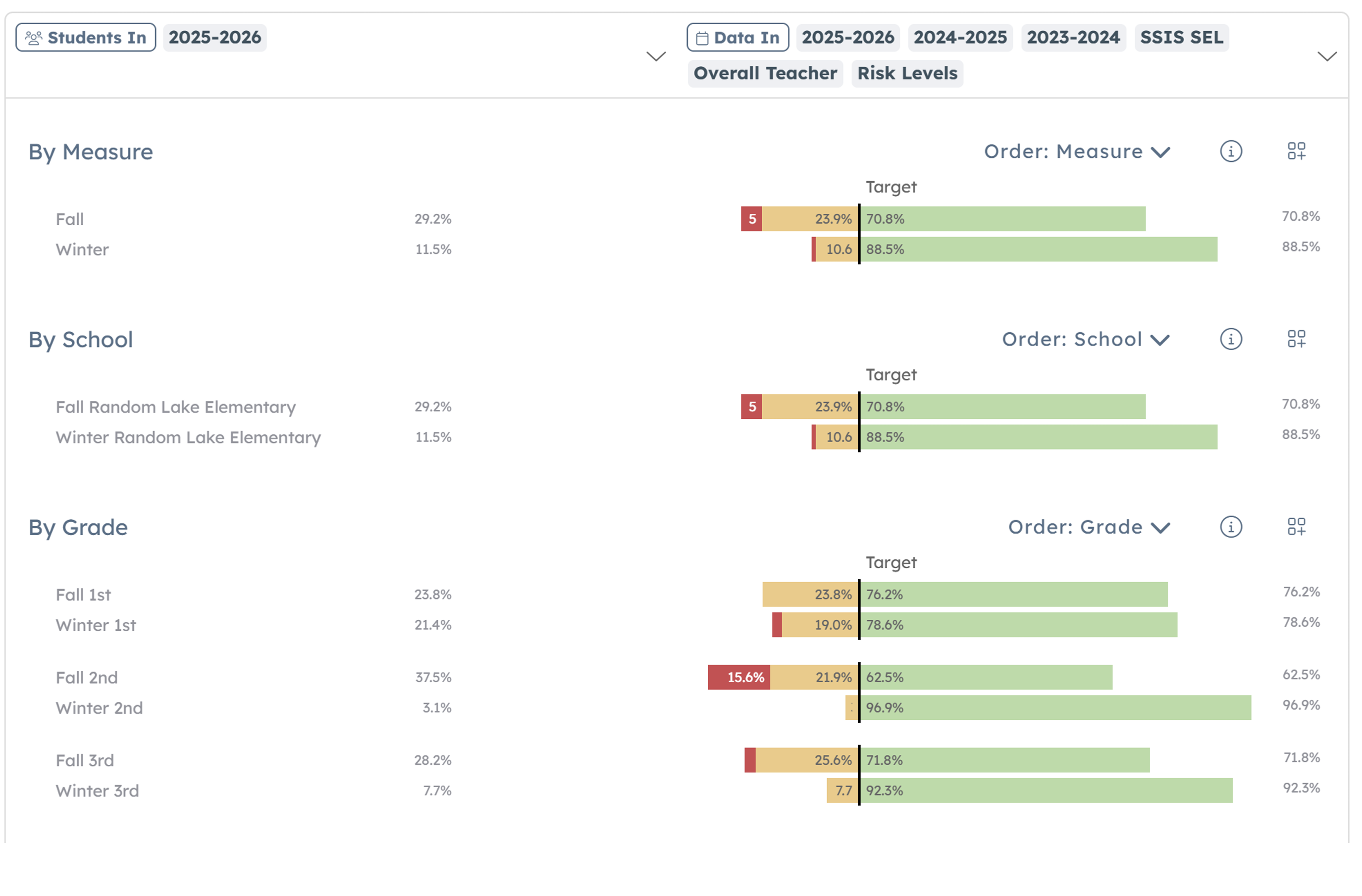
Intentionally Building Skills for Life at Random Lake ElementaryBy Rebecca Charbonneau, Principal, Random Lake Elementary A few years ago, when I took the position of elementary principal, I noticed a pattern that many school leaders will recognize. Our students were academically capable, but many struggled with focus, self-regulation, and peer interactions. Teachers were spending more time redirecting behavior and less time teaching, and students who wanted to do well often lacked the skills to manage frustration or work through challenges. Rather than reacting to these challenges as they arose, we made a deliberate decision to front-load character, social-emotional, and durable skills in an intentional, proactive way, woven into the school day. At Random Lake Elementary, our vision is clear: we are intentionally building moral, performance, and intellectual character traits so students are successful not only in school, but in life and future careers. These skills—self-regulation, perseverance, empathy, cooperation, and responsibility—are not add-ons. They are taught through repeated practice, reinforced with a shared language, and embedded into daily routines, so they become second nature. When students have these skills, classrooms are more productive, learning time increases, and teachers can focus on high-quality instruction. Daily Practice, Not a Program of the Month This work comes to life through UNYTUS, our character education program. UNYTUS provides a consistent framework and language that teachers intentionally use throughout the day, not just during lessons, but also during transitions, collaborative work, and problem-solving. Over time, these skills become part of how students see themselves and interact with others, strengthening their sense of relevance, purpose, and connections to community. Using SSIS as a Reflection Tool To determine whether this intentional daily work is reflected in student behavior, our teachers use the SSIS (Social Skills Improvement System) teacher survey. Importantly, SSIS is not the driver of our work; it is a confirmation tool. It allows us to step back and assess whether the skills we explicitly teach are consistently demonstrated by students. The data confirms what teachers see every day in classrooms. From fall to winter, overall student risk levels decreased significantly, indicating growth in social skills across the school. One standout example is second grade, where at-risk indicators dropped dramatically from fall to winter, reflecting strong gains in self-regulation and peer interaction. Similar positive trends were seen in first and third grade, with winter data showing a higher percentage of students meeting or exceeding expectations. These results matter because they confirm that intentional, consistent practice works. Why This Work Is Sticking What has made this work successful is not a single lesson or survey—it is consistent execution by teachers. Character instruction became part of the rhythm of the day, not something extra to squeeze in. Teachers shared ownership, used common language, and reinforced expectations across settings. UNYTUS helped bring our vision to life by providing structure and clarity while still allowing teachers to meet their students' needs. Looking ahead, we are especially excited about the upcoming family component, which will extend this shared language and skill-building beyond the classroom. When families and schools work together around character and social-emotional growth, the impact becomes even more powerful. At Random Lake Elementary, we are proud of the progress our students are making. By intentionally building character, confirming growth through reflection tools like SSIS, and partnering with teachers and families, we are preparing students not just for the next grade, but for life.
|